
Planning a Ziyarat tour around Makkah? Here’s a real, first-hand guide covering Jabal al-Nour (Cave of Hira), Jabal Thawr, Jannat al-Mu’alla, Masjid al-Jinn, Arafat, Mina, and Masjid Ayesha, plus fixed taxi pricing and honest booking tips. Written by someone who actually made the climb everything you need to plan a meaningful half-day Ziyarat trip during Umrah or Hajj.
Makkah Ziyarat Taxi Jabal al-Nour, Jabal Thawr & Jannat al-Mu'alla Tour Guide (2026)


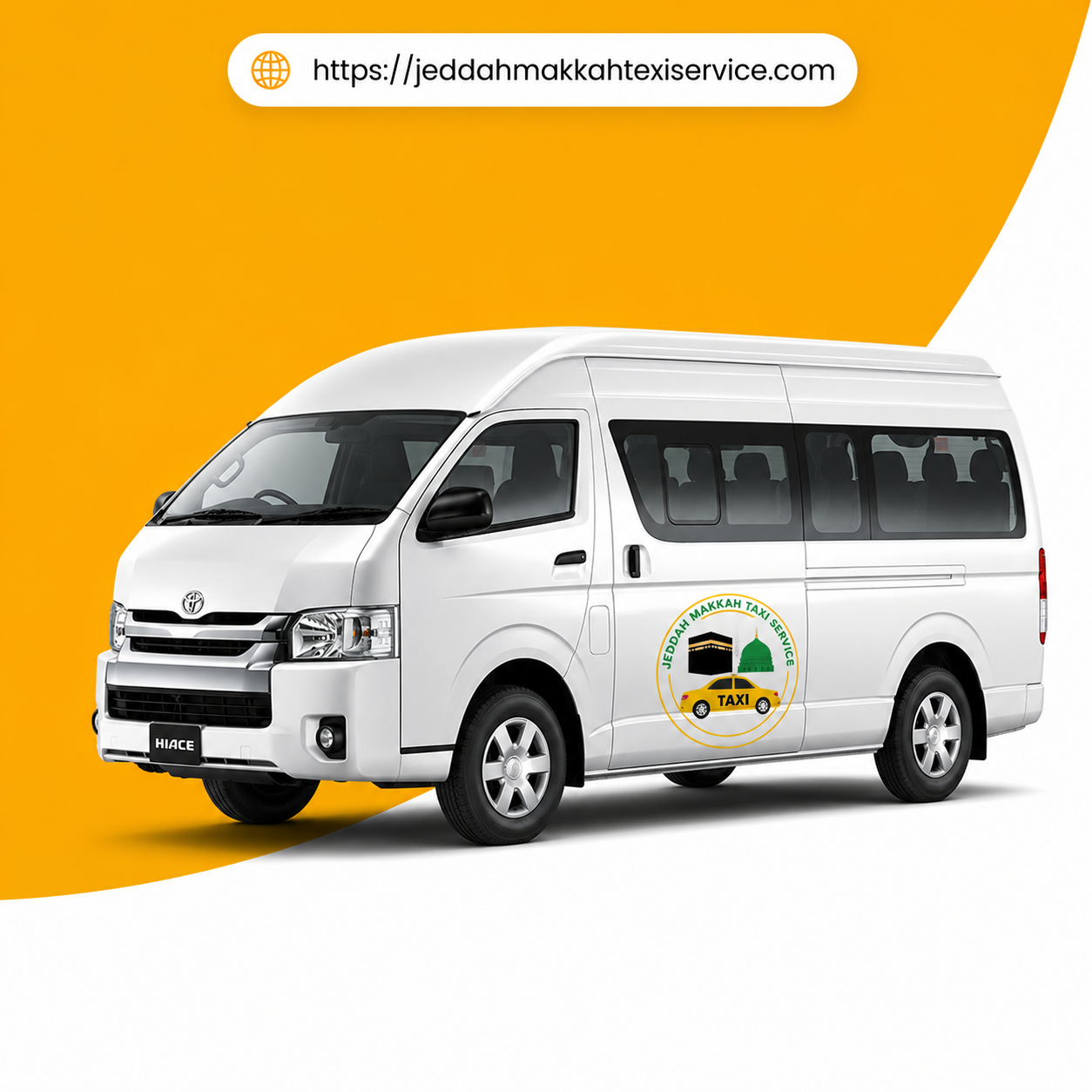

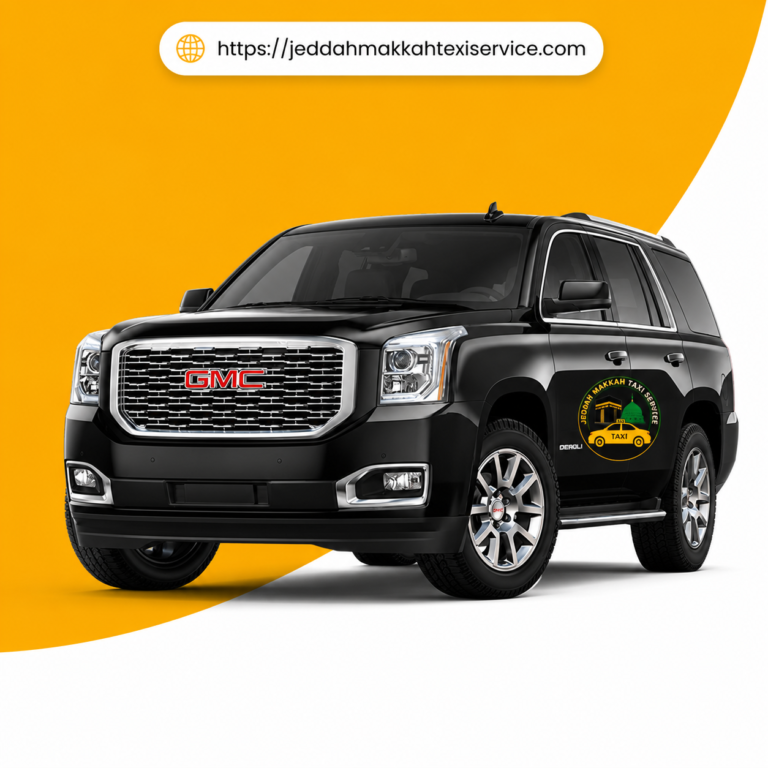

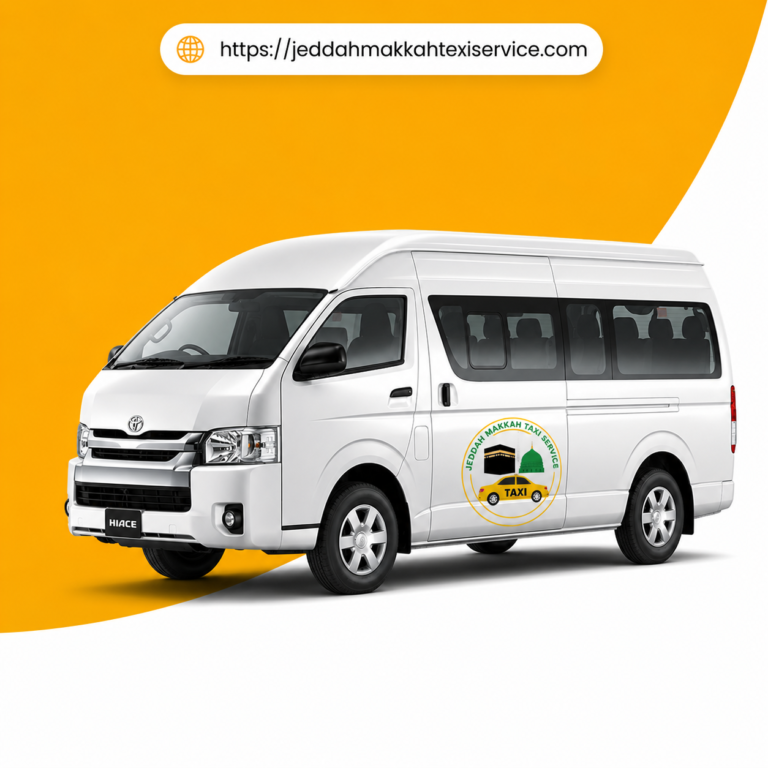
Toyota Hiace - 11 Seater
- Seats: 11 people
- Luggage: 14 Large Bags
- Free Wi-Fi & Refreshments
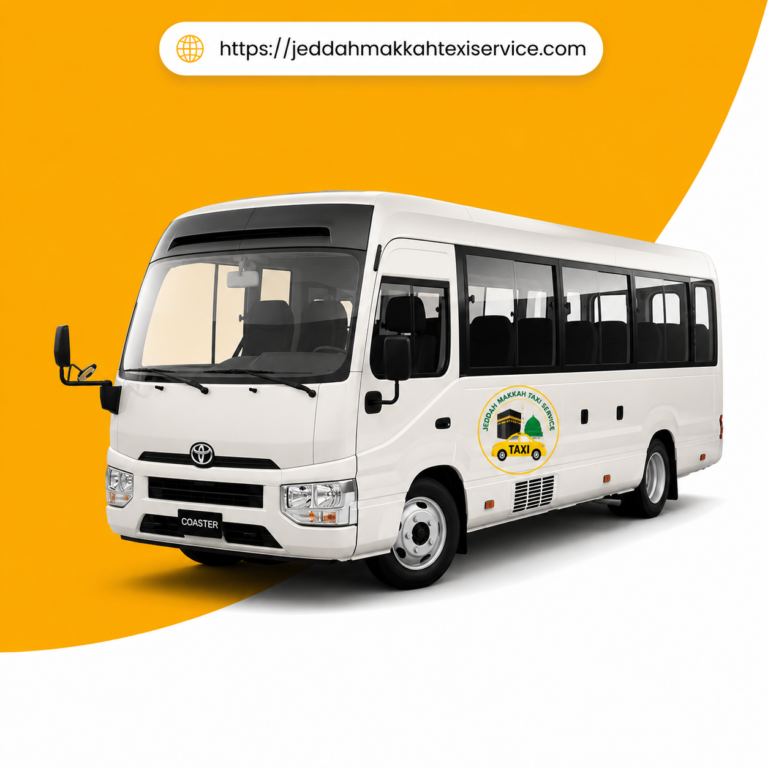
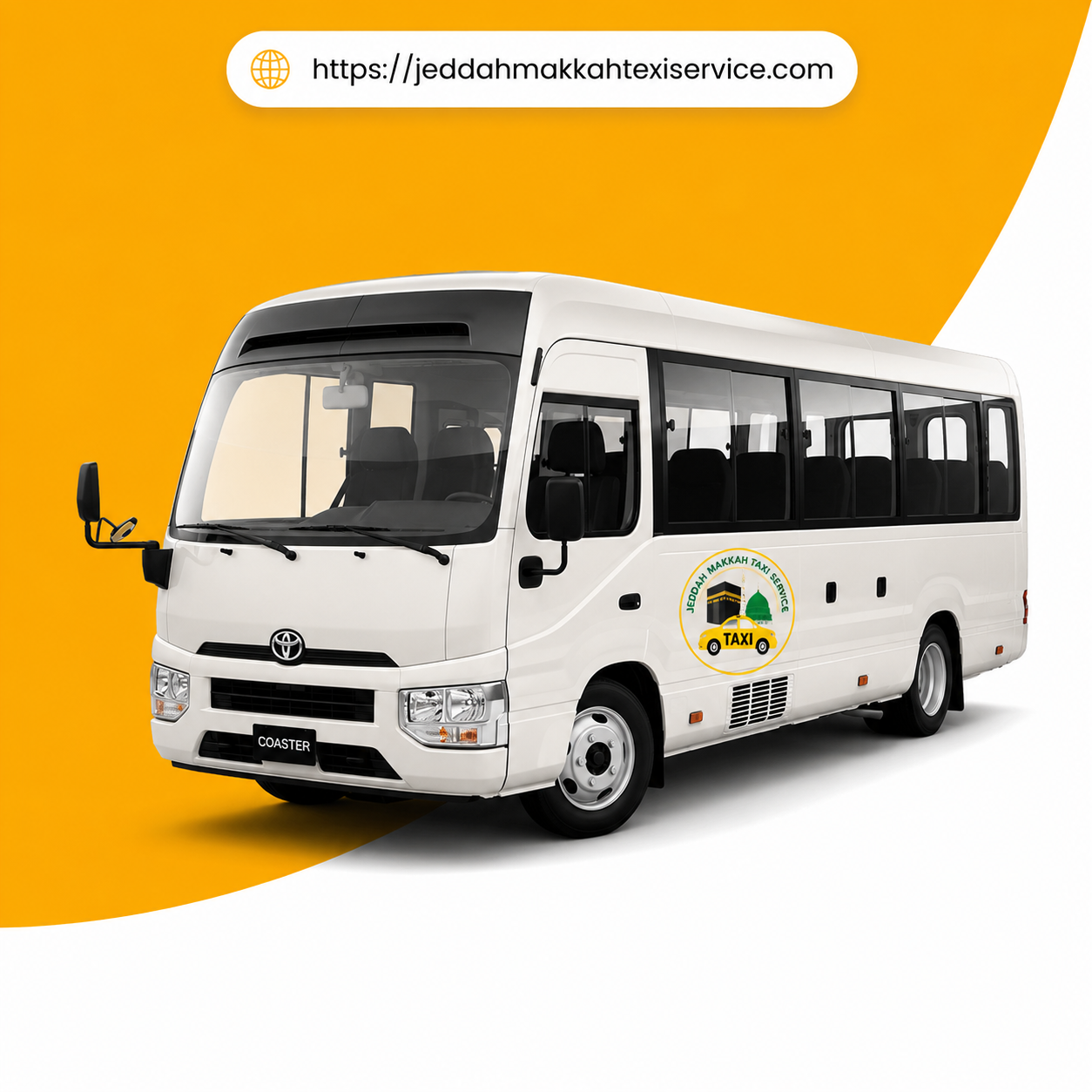
Coaster - 17 Seater
- Seats: 17 people
- Luggage: 25 Large Bags
- Free Wi-Fi & Refreshments
Fixed fares, no surprises
Car for every budget
You’ll pay the price you see, at the end of your ride, with no hidden charges.
| Camry Service |
|---|
| Jeddah Airport to Jeddah Hotel | 190 SAR |
| Jeddah Airport to Makkah Hotel | 240 SAR |
| Jeddah Airport to Madinah Hotel | 540 SAR |
| Jeddah Airport to Taif Hotel | 440 SAR |
| Jeddah Airport to Taif & Return | 680 SAR |
| Jeddah Hotel to Jeddah Airport | 190 SAR |
| Jeddah Hotel to Madinah Hotel | 500 SAR |
| Jeddah Hotel to Makkah Hotel | 220 SAR |
| Jeddah Hotel to Taif & Return | 680 SAR |
| Makkah Hotel to Jeddah Airport | 200 SAR |
| Makkah Hotel to Madinah Hotel | 490 SAR |
| Makkah Hotel to Madinah Hotel by Wadi-e-Jinn | 690 SAR |
| Makkah Hotel to Makkah Train Station | 130 SAR |
| Makkah Hotel to Masjid Ayesha Meeqat (Umrah) | 100 SAR |
| Makkah Hotel to Masjid Jirana Meeqat (Umrah) | 120 SAR |
| Makkah Hotel to Taif & Return | 440 SAR |
| Makkah Train Station to Makkah Hotel | 130 SAR |
| Madinah Airport to Madinah Hotel | 150 SAR |
| Madinah Hotel to Makkah Hotel | 490 SAR |
| Madinah Hotel to Madinah Airport | 120 SAR |
| Madinah Hotel to Madina Train Station | 110 SAR |
| Madinah Hotel to Madinah Ziyarat including Wadi-e-Jinn | 300 SAR |
| Madinah Hotel to Jeddah Airport | 500 SAR |
| Madinah Train Station to Madinah Hotel | 130 SAR |
| Makkah Ziyarat | 200 SAR |
| Madinah Ziyarat | 200 SAR |
| STARIA / H1 Service | Price |
|---|---|
| Jeddah Airport to Jeddah Hotel | 240 SAR |
| Jeddah Airport to Makkah Hotel | 340 SAR |
| Jeddah Airport to Madinah Hotel | 590 SAR |
| Jeddah Airport to Taif Hotel | 680 SAR |
| Jeddah Airport to Taif & Return | 780 SAR |
| Jeddah Hotel to Jeddah Airport | 200 SAR |
| Jeddah Hotel to Madinah Hotel | 550 SAR |
| Jeddah Hotel to Makkah Hotel | 320 SAR |
| Jeddah Hotel to Taif & Return | 780 SAR |
| Makkah Hotel to Jeddah Airport | 300 SAR |
| Makkah Hotel to Madinah Hotel | 590 SAR |
| Makkah Hotel to Madinah Hotel by Wadi-e-Jinn | 790 SAR |
| Makkah Hotel to Makkah Train Station | 150 SAR |
| Makkah Hotel to Masjid Ayesha Meeqat (Umrah) | 150 SAR |
| Makkah Hotel to Masjid Jirana Meeqat (Umrah) | 150 SAR |
| Makkah Hotel to Taif & Return | 590 SAR |
| Makkah Train Station to Makkah Hotel | 150 SAR |
| Madinah Airport to Madinah Hotel | 200 SAR |
| Madinah Hotel to Makkah Hotel | 590 SAR |
| Madinah Hotel to Madinah Airport | 150 SAR |
| Madinah Hotel to Madina Train Station | 150 SAR |
| Madinah Hotel to Madinah Ziyarat including Wadi-e-Jinn | 400 SAR |
| Madinah Hotel to Jeddah Airport | 550 SAR |
| Madinah Train Station to Madinah Hotel | 150 SAR |
| Makkah Ziyarat | 300 SAR |
| Madinah Ziyarat | 250 SAR |

| HIACE TOYOTA Service | Price |
|---|---|
| Jeddah Airport to Jeddah Hotel | 300 SAR |
| Jeddah Airport to Makkah Hotel | 440 SAR |
| Jeddah Airport to Madinah Hotel | 780 SAR |
| Jeddah Airport to Taif Hotel | 780 SAR |
| Jeddah Airport to Taif & Return | 1450 SAR |
| Jeddah Hotel to Jeddah Airport | 300 SAR |
| Jeddah Hotel to Madinah Hotel | 750 SAR |
| Jeddah Hotel to Makkah Hotel | 420 SAR |
| Jeddah Hotel to Taif & Return | 1450 SAR |
| Makkah Hotel to Jeddah Airport | 400 SAR |
| Makkah Hotel to Madinah Hotel | 680 SAR |
| Makkah Hotel to Madinah Hotel by Wadi-e-Jinn | 880 SAR |
| Makkah Hotel to Makkah Train Station | 160 SAR |
| Makkah Hotel to Masjid Ayesha Meeqat (Umrah) | 250 SAR |
| Makkah Hotel to Masjid Jirana Meeqat (Umrah) | 250 SAR |
| Makkah Hotel to Taif & Return | 780 SAR |
| Makkah Train Station to Makkah Hotel | 160 SAR |
| Madinah Airport to Madinah Hotel | 340 SAR |
| Madinah Hotel to Makkah Hotel | 680 SAR |
| Madinah Hotel to Madinah Airport | 300 SAR |
| Madinah Hotel to Madina Train Station | 180 SAR |
| Madinah Hotel to Madinah Ziyarat including Wadi-e-Jinn | 500 SAR |
| Madinah Hotel to Jeddah Airport | 750 SAR |
| Madinah Train Station to Madinah Hotel | 160 SAR |
| Makkah Ziyarat | 400 SAR |
| Madinah Ziyarat | 350 SAR |
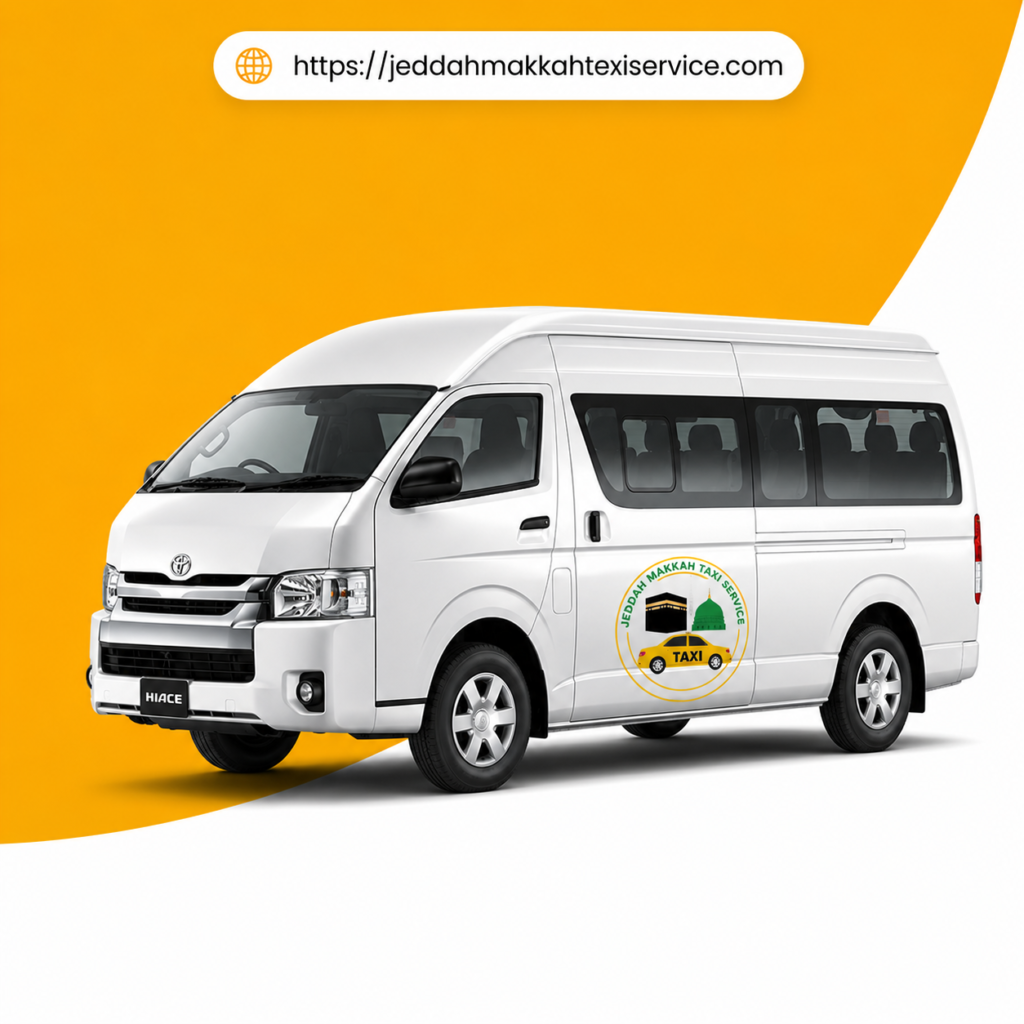
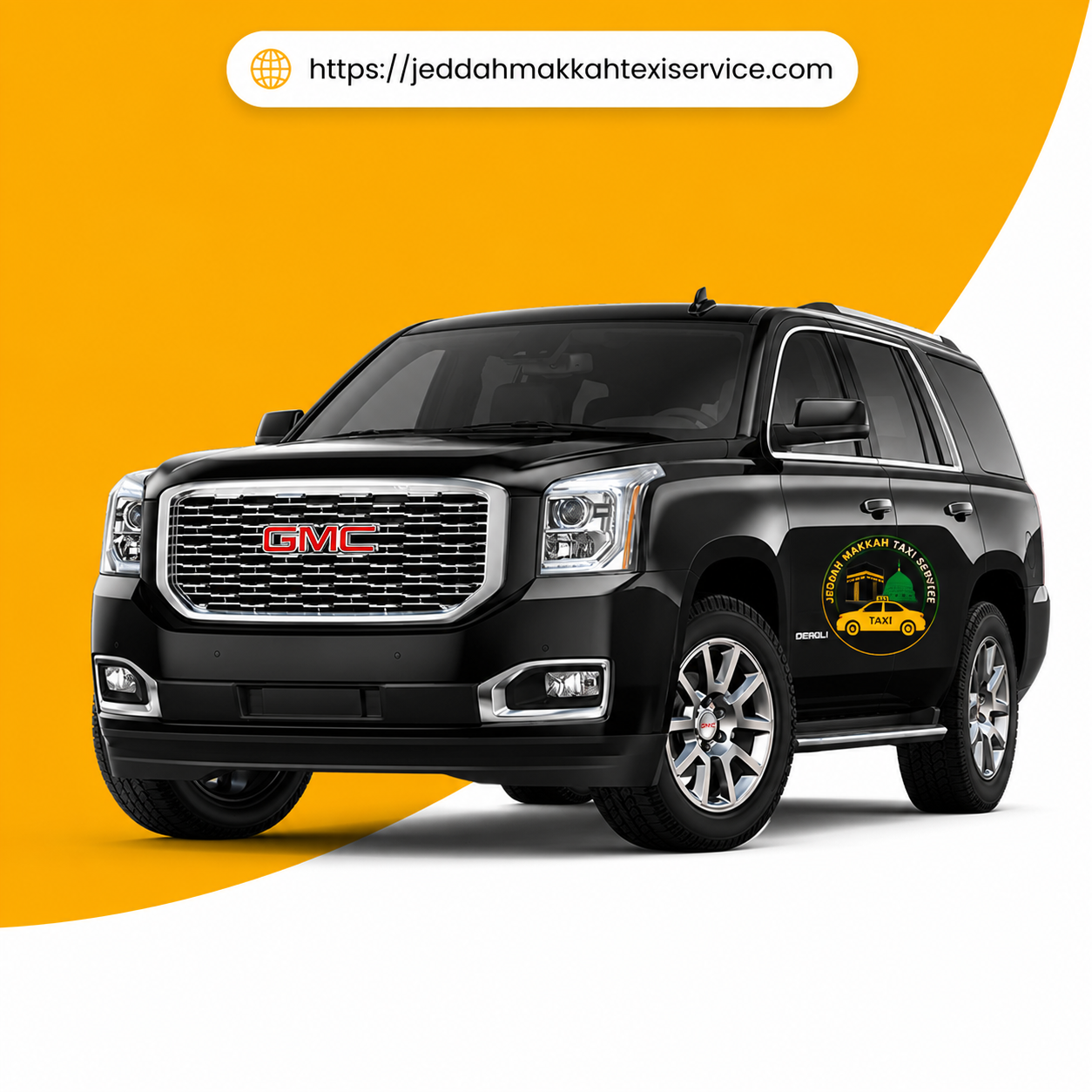
| GMC YUKOON XL Service | Price |
|---|---|
| Jeddah Airport to Jeddah Hotel | 400 SAR |
| Jeddah Airport to Makkah Hotel | 500 SAR |
| Jeddah Airport to Madinah Hotel | 980 SAR |
| Jeddah Airport to Taif Hotel | 940 SAR |
| Jeddah Airport to Taif & Return | 1480 SAR |
| Jeddah Hotel to Jeddah Airport | 340 SAR |
| Jeddah Hotel to Madinah Hotel | 950 SAR |
| Jeddah Hotel to Makkah Hotel | 490 SAR |
| Jeddah Hotel to Taif & Return | 1450 SAR |
| Makkah Hotel to Jeddah Airport | 390 SAR |
| Makkah Hotel to Madinah Hotel | 900 SAR |
| Makkah Hotel to Madinah Hotel by Wadi-e-Jinn | 1100 SAR |
| Makkah Hotel to Makkah Train Station | 250 SAR |
| Makkah Hotel to Masjid Ayesha Meeqat (Umrah) | 200 SAR |
| Makkah Hotel to Masjid Jirana Meeqat (Umrah) | 390 SAR |
| Makkah Hotel to Taif & Return | 880 SAR |
| Makkah Train Station to Makkah Hotel | 250 SAR |
| Madinah Airport to Madinah Hotel | 390 SAR |
| Madinah Hotel to Makkah Hotel | 900 SAR |
| Madinah Hotel to Madinah Airport | 390 SAR |
| Madinah Hotel to Madina Train Station | 300 SAR |
| Madinah Hotel to Madinah Ziyarat including Wadi-e-Jinn | 600 SAR |
| Madinah Hotel to Jeddah Airport | 930 SAR |
| Madinah Train Station to Madinah Hotel | 250 SAR |
| Makkah Ziyarat | 500 SAR |
| Madinah Ziyarat | 400 SAR |
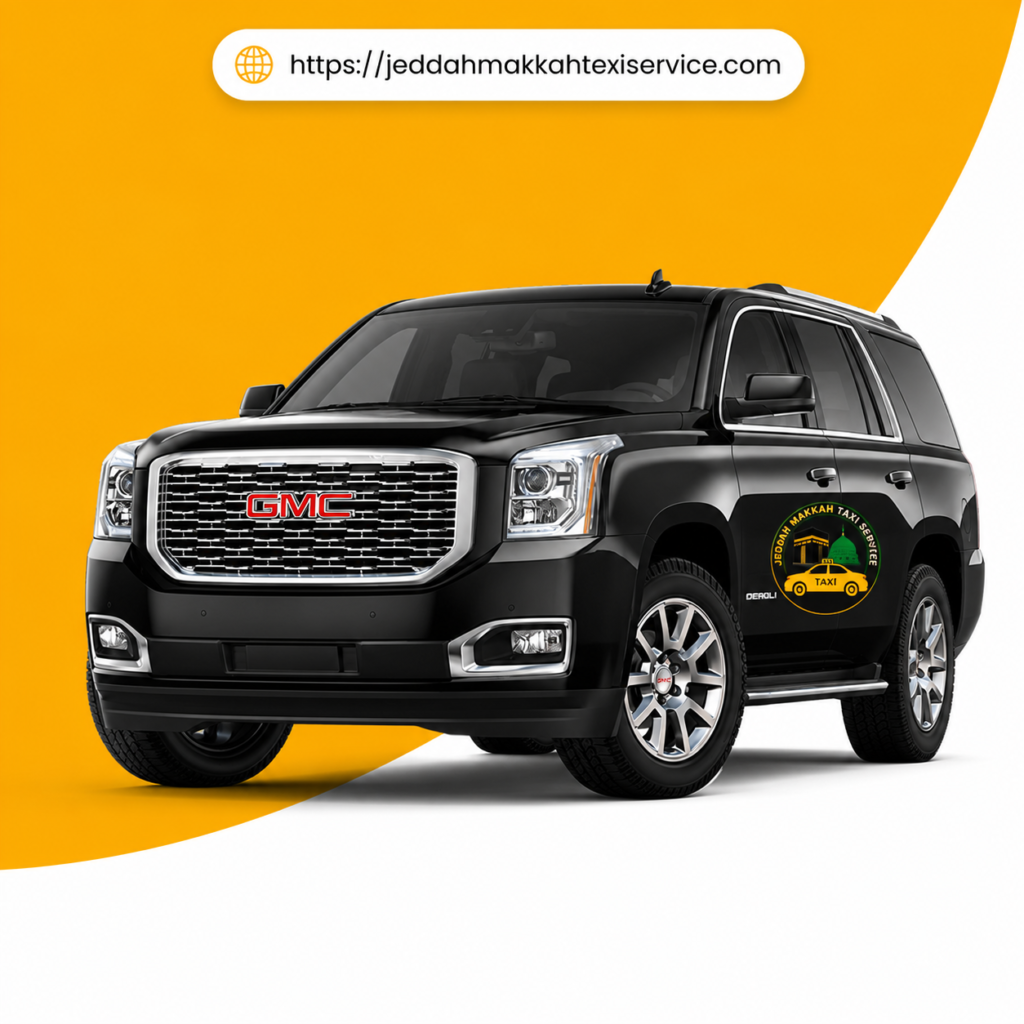
| COASTER TOYOTA Service | Price |
|---|---|
| Jeddah Airport to Jeddah Hotel | 490 SAR |
| Jeddah Airport to Makkah Hotel | 780 SAR |
| Jeddah Airport to Madinah Hotel | 1180 SAR |
| Jeddah Airport to Taif Hotel | 1140 SAR |
| Jeddah Airport to Taif & Return | 1750 SAR |
| Jeddah Hotel to Jeddah Airport | 480 SAR |
| Jeddah Hotel to Madinah Hotel | 1080 SAR |
| Jeddah Hotel to Makkah Hotel | 760 SAR |
| Jeddah Hotel to Taif & Return | 1750 SAR |
| Makkah Hotel to Jeddah Airport | 680 SAR |
| Makkah Hotel to Madinah Hotel | 1080 SAR |
| Makkah Hotel to Madinah Hotel by Wadi-e-Jinn | 1280 SAR |
| Makkah Hotel to Makkah Train Station | 290 SAR |
| Makkah Hotel to Masjid Ayesha Meeqat (Umrah) | 400 SAR |
| Makkah Hotel to Masjid Jirana Meeqat (Umrah) | 400 SAR |
| Makkah Hotel to Taif & Return | 1180 SAR |
| Makkah Train Station to Makkah Hotel | 290 SAR |
| Madinah Airport to Madinah Hotel | 490 SAR |
| Madinah Hotel to Makkah Hotel | 1080 SAR |
| Madinah Hotel to Madinah Airport | 490 SAR |
| Madinah Hotel to Madina Train Station | 390 SAR |
| Madinah Hotel to Madinah Ziyarat including Wadi-e-Jinn | 650 SAR |
| Madinah Hotel to Jeddah Airport | 1100 SAR |
| Madinah Train Station to Madinah Hotel | 400 SAR |
| Makkah Ziyarat | 600 SAR |
| Madinah Ziyarat | 550 SAR |
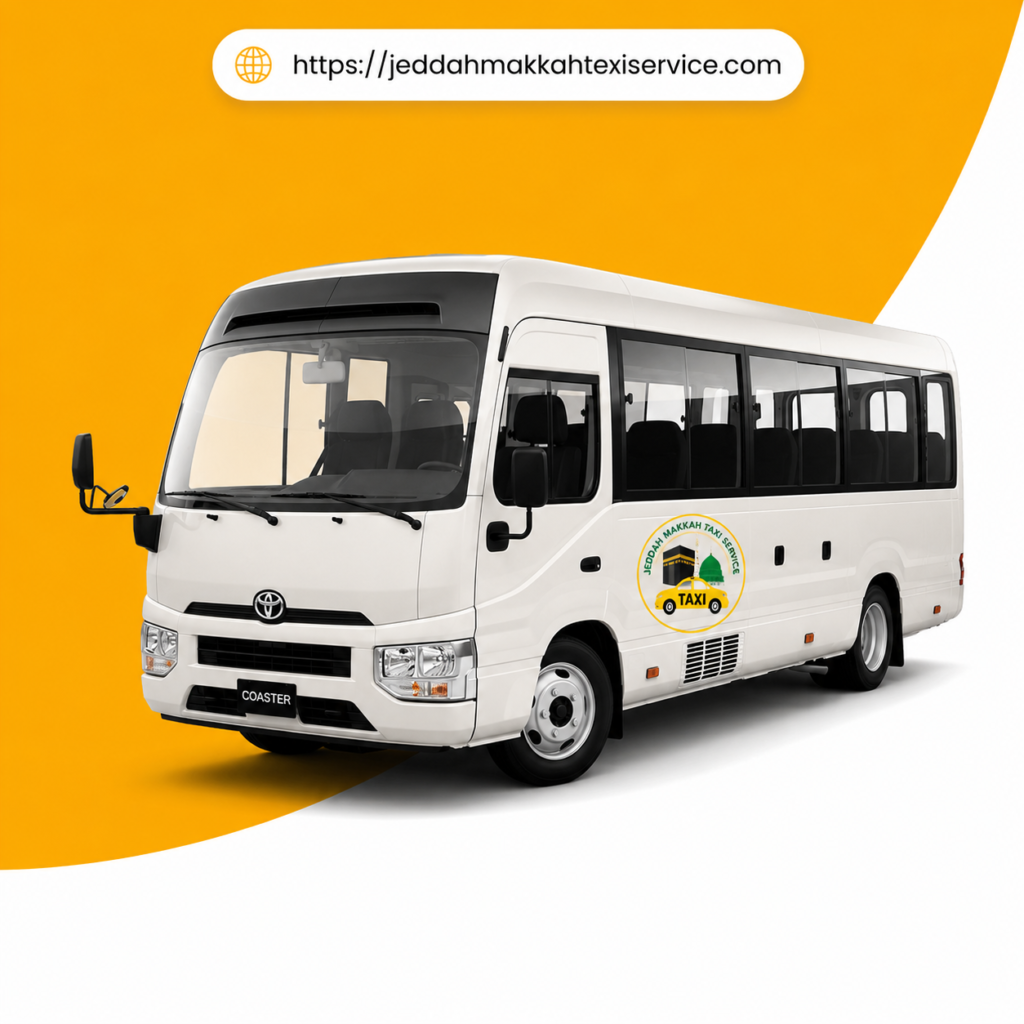
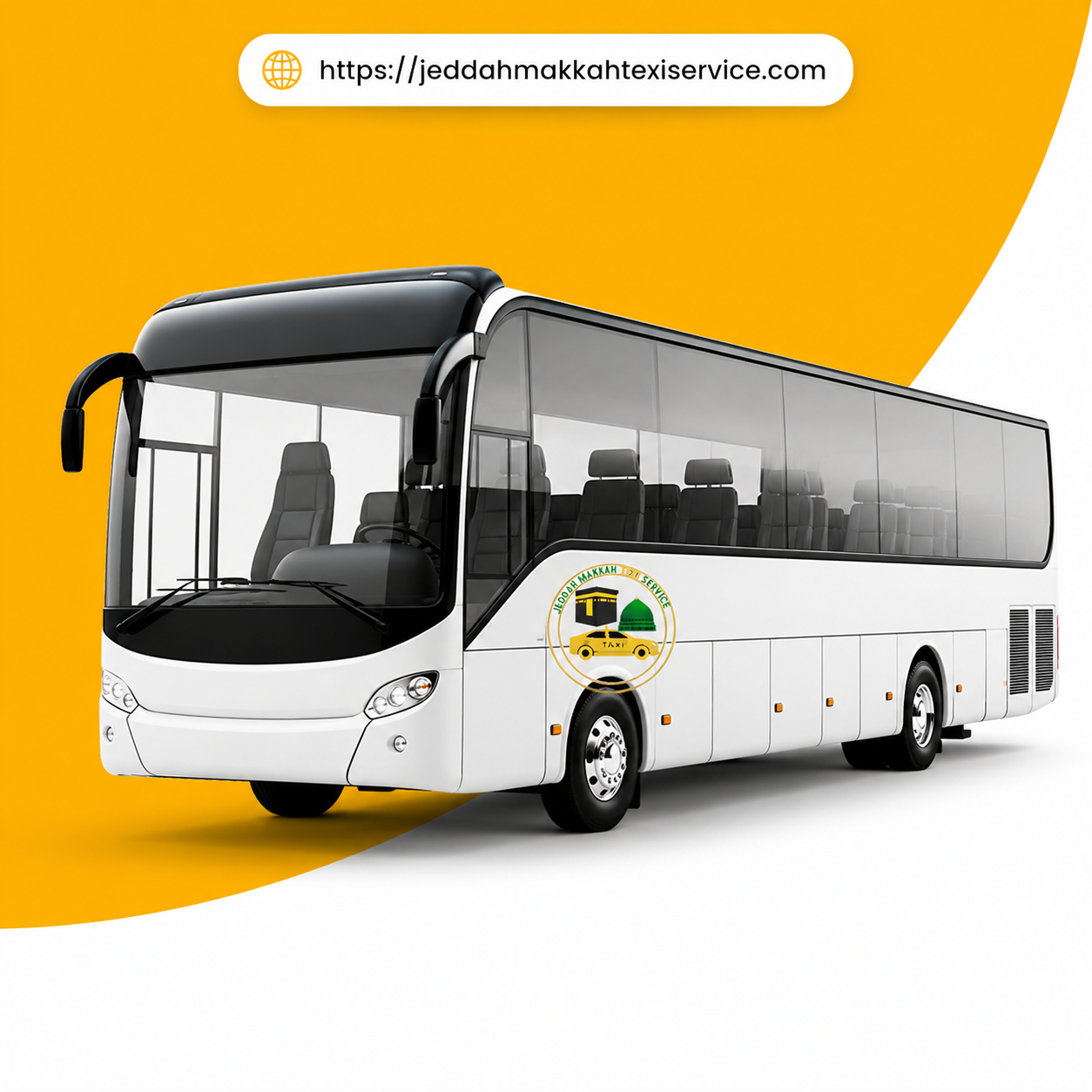
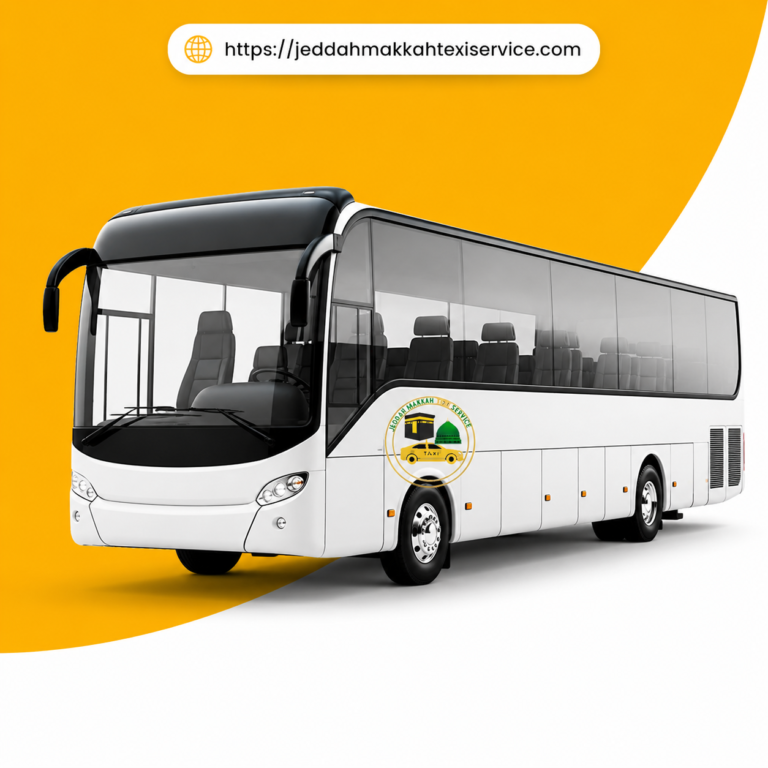
| Bus Service | Price |
|---|---|
| Jeddah Airport to Jeddah Hotel | 400 SAR |
| Jeddah Airport to Makkah Hotel | 500 SAR |
| Jeddah Airport to Madinah Hotel | 980 SAR |
| Jeddah Airport to Taif Hotel | 940 SAR |
| Jeddah Airport to Taif & Return | 1480 SAR |
| Jeddah Hotel to Jeddah Airport | 380 SAR |
| Jeddah Hotel to Madinah Hotel | 950 SAR |
| Jeddah Hotel to Makkah Hotel | 490 SAR |
| Jeddah Hotel to Taif & Return | 1450 SAR |
| Makkah Hotel to Jeddah Airport | 390 SAR |
| Makkah Hotel to Madinah Hotel | 900 SAR |
| Makkah Hotel to Madinah Hotel by Wadi-e-Jinn | 1100 SAR |
| Makkah Hotel to Makkah Train Station | 250 SAR |
| Makkah Hotel to Masjid Ayesha Meeqat (Umrah) | 300 SAR |
| Makkah Hotel to Masjid Jirana Meeqat (Umrah) | 390 SAR |
| Makkah Hotel to Taif & Return | 880 SAR |
| Makkah Train Station to Makkah Hotel | 250 SAR |
| Madinah Airport to Madinah Hotel | 390 SAR |
| Madinah Hotel to Makkah Hotel | 900 SAR |
| Madinah Hotel to Madinah Airport | 390 SAR |
| Madinah Hotel to Madina Train Station | 300 SAR |
| Madinah Hotel to Madinah Ziyarat including Wadi-e-Jinn | 600 SAR |
| Madinah Hotel to Jeddah Airport | 930 SAR |
| Madinah Train Station to Madinah Hotel | 200 SAR |
| Makkah Ziyarat | 500 SAR |
| Madinah Ziyarat | 400 SAR |
Customer reviews

Excellent taxi service! The driver arrived exactly on time, the car was spotless, and the journey from Jeddah Airport to Makkah was smooth and comfortable. Highly recommended for Umrah travellers
I booked a taxi from Makkah to Madinah through WhatsApp, and the whole process was quick and easy. The driver was very polite, drove safely, and helped with our luggage. Great experience!
Very reliable and affordable service. Our family of five travelled comfortably from Jeddah Airport to our hotel in Makkah. The vehicle was clean, air-conditioned, and exactly as promised
Outstanding customer service! They confirmed my booking instantly and kept me updated until the driver arrived. I will definitely use this taxi service again for my next visit to Saudi Arabia
Makkah Ziyarat Taxi: What I Wish I’d Known Before Booking Mine
I almost skipped the Ziyarat trip entirely. After a few days of tawaf, sa’i, and praying at the Haram, I figured I’d seen the “important” parts of Makkah and the rest was optional tourist stuff. My roommate at the hotel talked me into booking a half-day Ziyarat taxi on our second-to-last day, and honestly, it turned out to be one of the most meaningful mornings of the whole trip.
If you’re wondering whether it’s worth arranging a Ziyarat taxi around Makkah, or you’re just confused about how it even works, here’s everything I picked up from actually doing it.
What a Makkah Ziyarat Trip Actually Involves
A Ziyarat taxi is basically a private car or van that takes you around to the historically and religiously significant sites within and around Makkah, places connected to the Prophet Muhammad’s ﷺ life and early Islamic history. It’s not a formal religious obligation like tawaf or sa’i, but a lot of pilgrims (myself included, after doing it) find it adds real depth to the trip.
Unlike the intercity routes I’ve written about before, this is all local driving within Makkah and its outskirts, so you’re not dealing with long highway stretches. Most trips take somewhere between 3 and 5 hours depending on how many stops you want and how much time you spend at each one.
The Places I Actually Visited
Jabal al-Nour and the Cave of Hira
This was, for me, the highlight of the whole trip. Jabal al-Nour is the mountain where the Prophet ﷺ received the first revelation in the Cave of Hira. You can’t drive to the top, so this involves an actual hike, and it’s steeper than it looks from the base.
I made the mistake of wearing regular sandals for this, thinking it’d be a quick walk. It’s not. The path is uneven, rocky in places, and takes anywhere from 45 minutes to over an hour each way depending on your pace and how crowded it is. I’d genuinely recommend proper closed shoes and bringing water, because there’s very little shade on the climb.
Standing at the top, looking out over Makkah, thinking about what happened in that cave, was worth every bit of the sweaty, tiring climb. Just don’t underestimate it the way I did.
Jabal Thawr
This is the mountain with the cave where the Prophet ﷺ and Abu Bakr hid during the migration to Madinah, famously protected by a spider’s web and a dove’s nest at the cave entrance, according to the tradition. It’s on the opposite side of Makkah from Jabal al-Nour, and the hike here is honestly even more demanding — steeper, longer, and not something to attempt if you’re not reasonably fit or have limited time.
I didn’t actually do this hike myself, since our group’s schedule only allowed time to view it from below and hear the story from our driver, who knew it well. If you specifically want to do the climb, mention this when booking your taxi, since not every Ziyarat package includes enough time for it.
Jannat al-Mu’alla Cemetery
This is where a number of the Prophet’s ﷺ family members and early companions are buried, including his first wife, Khadijah (RA). It’s a simple, quiet place, nothing elaborate, which actually made it feel more powerful in a strange way. There’s no elaborate mausoleum or structure, just rows of unmarked graves, and standing there really puts into perspective how much history is contained in such an understated space.
Masjid al-Jinn
Located near the cemetery, this mosque marks the spot associated with the Quranic account of jinn accepting Islam after hearing the Prophet ﷺ recite Quran. It’s a quick stop, usually just a few minutes to pray or reflect, but worth including if your driver’s route passes nearby.
Arafat, Muzdalifah, and Mina
If you’re doing this trip outside of Hajj season, these areas are mostly quiet and empty, which felt oddly surreal considering how packed they are during Hajj itself. Our driver pointed out Jabal al-Rahmah (the Mount of Mercy) at Arafat, where the Prophet ﷺ delivered his farewell sermon.
Seeing these places outside of Hajj gave me a strange sense of scale — imagining the exact same open ground filled with millions of pilgrims during Hajj season, versus how peaceful and empty it felt when I visited.
Masjid Ayesha (Miqat)
This mosque, also called Masjid al-Taneem, is one of the Miqat points where people entering Makkah for Umrah can enter ihram. A lot of pilgrims doing multiple Umrahs during their trip stop here specifically for that purpose. Even if you’re not doing another Umrah, it’s a quick, worthwhile stop.
How I Booked My Ziyarat Taxi
I arranged mine through a local transport provider on WhatsApp, the same way I’d booked my airport transfers. I gave them a rough idea of which sites I wanted to see and how much time I had, and they suggested a route and gave me a fixed price for a private car covering roughly four hours.
A few things I’d suggest doing differently if you’re booking your own:
- Be specific about which sites matter most to you. Some drivers have a “standard” route that might skip places you actually want to see, like Jabal Thawr, if you don’t ask directly.
- Confirm whether the Jabal al-Nour hike is included in the time estimate, since it can easily eat up 2 hours on its own if you’re doing the full climb.
- Ask if your driver provides commentary or history on each site. Mine did, and it made a massive difference to the experience compared to just being dropped off and picked up silently.
Step-by-Step: Planning Your Own Ziyarat Trip
- Decide which sites matter most to you, especially if your time is limited. Jabal al-Nour and Jannat al-Mu’alla are the two I’d prioritize if you can only fit a few stops.
- Book your taxi a day or two in advance, particularly during busy Umrah periods when demand for these tours is higher.
- Wear proper walking shoes, not sandals, if any hiking is on your itinerary.
- Bring water and light snacks. There isn’t always somewhere convenient to buy these at each stop.
- Ask your driver for a rough itinerary before you start, so you know what to expect and can flag if something important is missing.
- Confirm the total price upfront, whether it’s charged as a flat fee for the whole trip or hourly, so there’s no confusion at the end.
- Bring a small notebook or use your phone to jot down a bit of history at each stop. It genuinely makes the experience mean more, especially if you want to reflect on it later.
Mistakes to Avoid
Underestimating the Jabal al-Nour climb. I’ve said this already, but it deserves repeating. Wear proper shoes, bring water, and don’t attempt it in the hottest part of the day if you can avoid it.
Not asking about Jabal Thawr in advance. If this site matters to you, confirm your driver’s route includes enough time for it, since it’s often skipped or only viewed from a distance due to time constraints.
Rushing through Jannat al-Mu’alla. It’s easy to treat this as a quick photo stop, but slowing down here and reflecting on who’s buried there adds real weight to the visit.
Going during the hottest hours. Late morning through mid-afternoon in Makkah can be brutal, especially if hiking is involved. Early morning or a couple of hours before Maghrib tend to be more comfortable windows.
Not confirming the price structure beforehand. Some drivers charge per site, others charge a flat rate for the whole trip. Know which one you’re agreeing to before you start.
Final Thoughts
I genuinely didn’t expect this half-day trip to affect me the way it did. There’s something about physically standing where these events happened, not just reading about them, that shifts your whole understanding of the stories you’ve heard since childhood.
If you’ve got even half a day free during your Makkah trip, I’d push you to book a Ziyarat taxi rather than skip it like I almost did. Go in with a rough idea of what matters most to you, dress for a bit of walking, and let your driver share what they know. It ends up being one of those parts of the trip you don’t fully appreciate until you’re back home thinking about it.
Jeddah Makkah Taxi Services
Reliable Private Umrah Taxi Service Across Saudi Arabia
Travel with confidence using our trusted private taxi service for Hajj and Umrah pilgrims throughout Saudi Arabia. We offer professional drivers, fully licensed and verified vehicles, transparent fixed fares, and comfortable rides between Makkah, Madinah, Jeddah, Taif, and other major cities. With years of experience serving pilgrims from around the world, we ensure a safe, punctual, and hassle-free journey. No advance payment required.book now and pay after your ride.
Facebook
LinkedIn
Facebook