
SACRED JOURNEY RELIABLE RIDES
Madinah Ziyarat Taxi Private Tour for Umrah Pilgrims
Visit Madinah’s most meaningful sites without the hassle our private Ziyarat taxi takes you comfortably to Masjid Quba, Jannat ul Baqi, Uhud Mountain, Masjid Qiblatain, and other key locations, with a driver fluent in Urdu and English.
No upfront payment, just a fixed price agreed beforehand, so you can focus on the visit instead of worrying about costs.

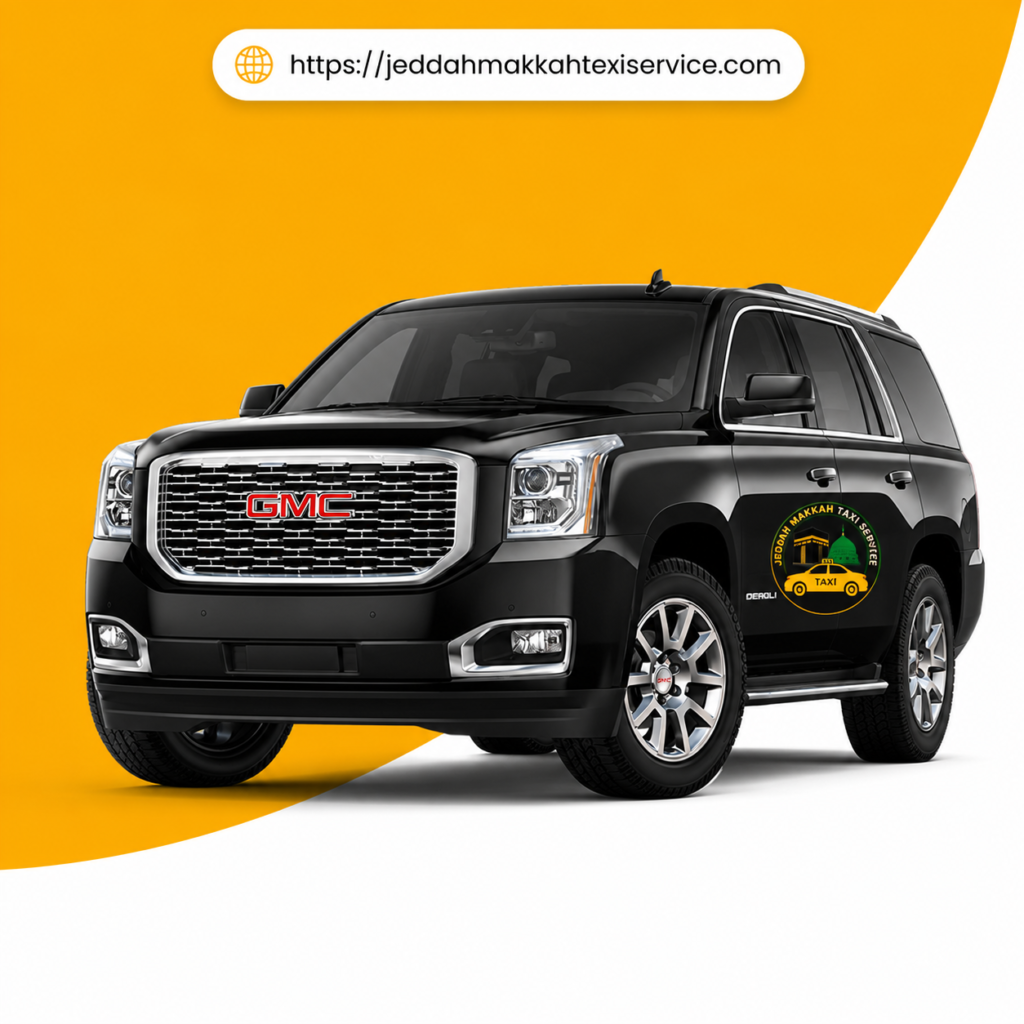

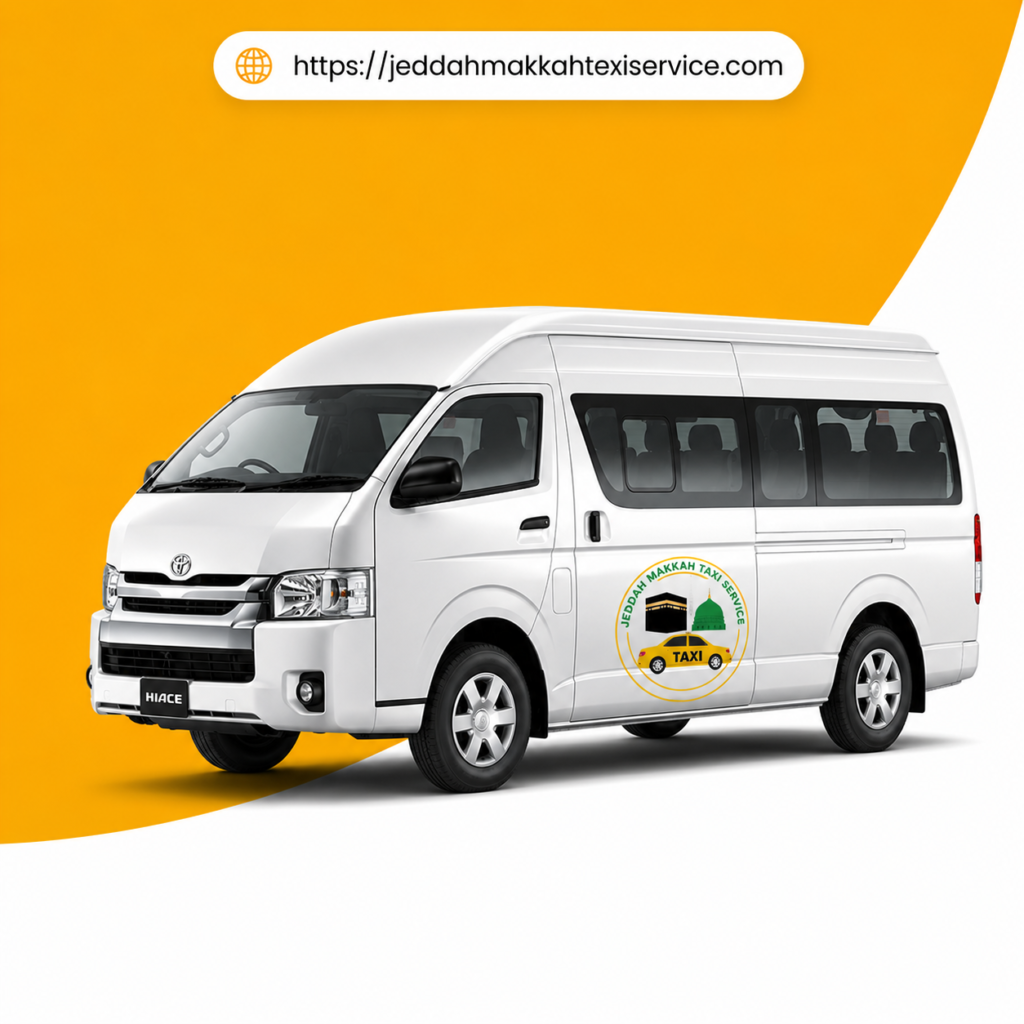

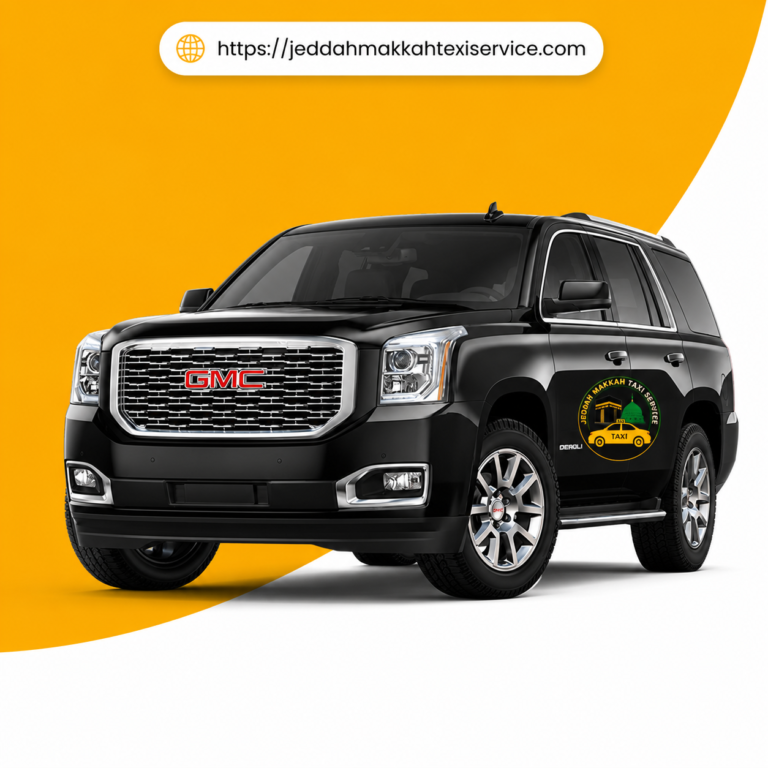

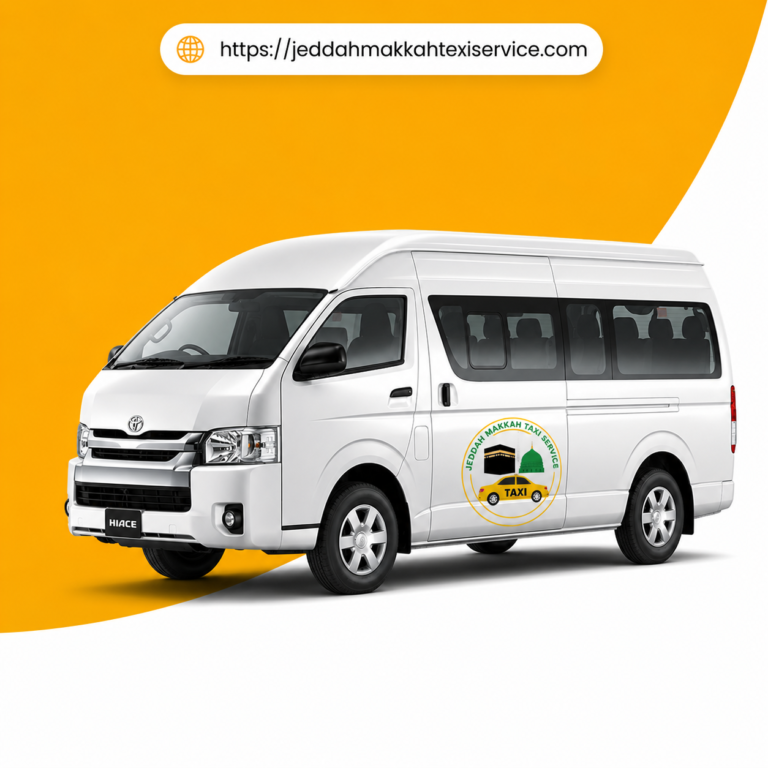
Toyota Hiace - 11 Seater
- Seats: 11 people
- Luggage: 14 Large Bags
- Free Wi-Fi & Refreshments
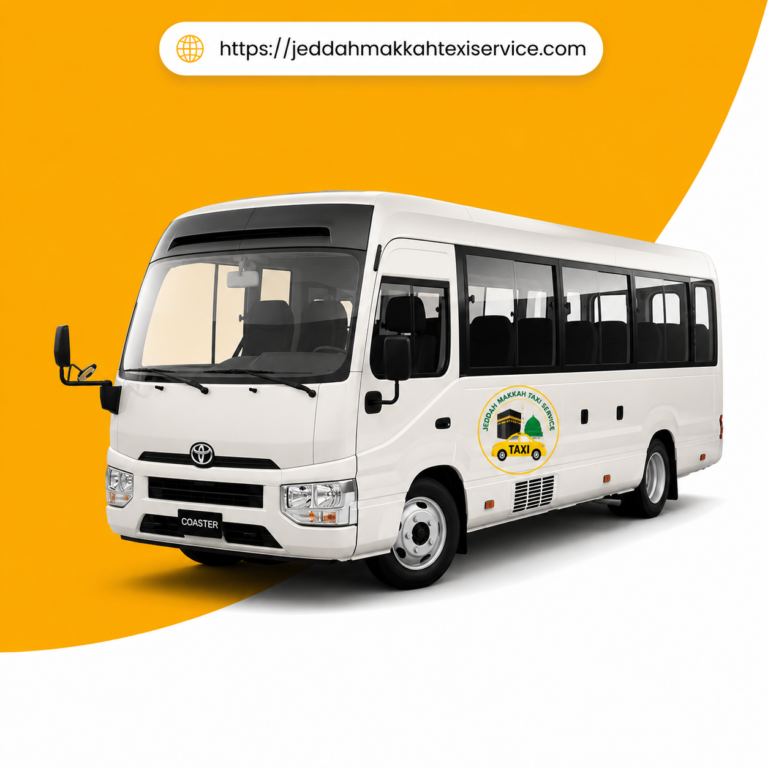
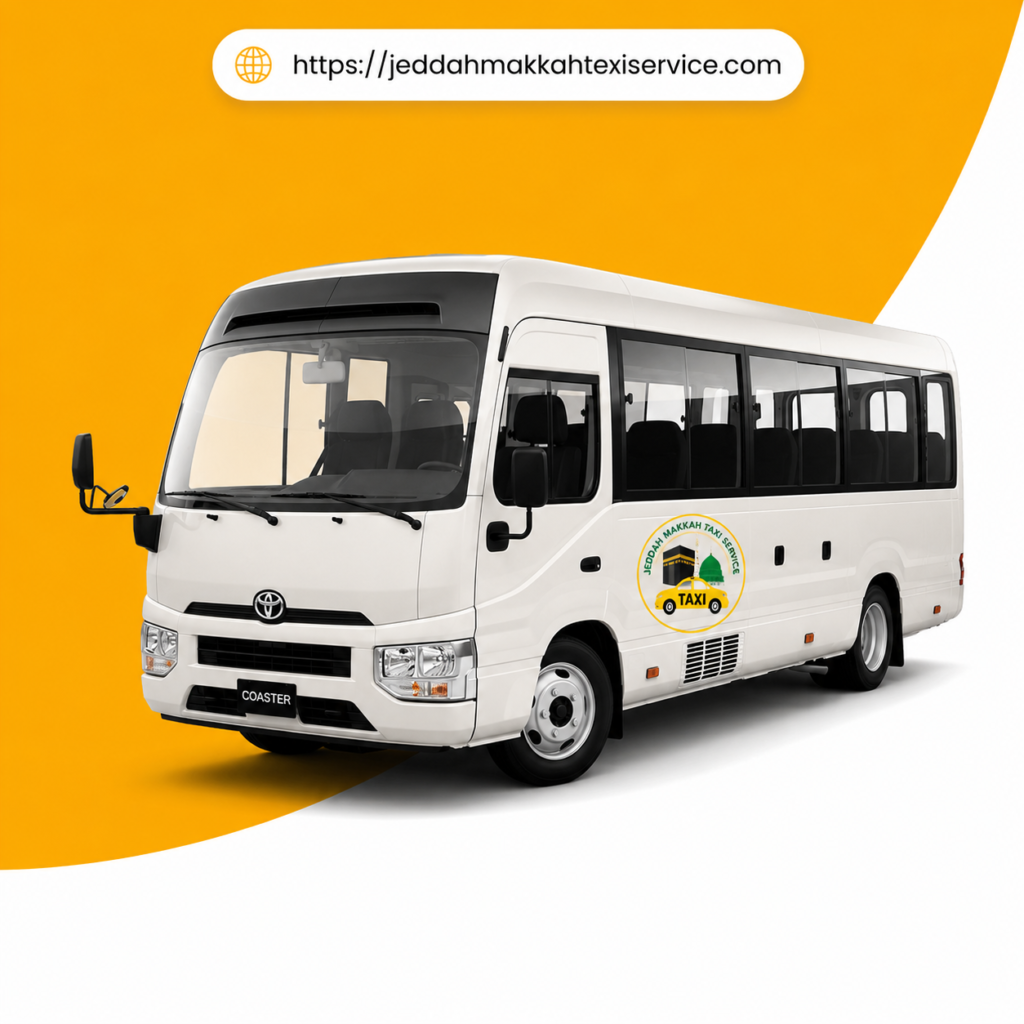
Coaster - 17 Seater
- Seats: 17 people
- Luggage: 25 Large Bags
- Free Wi-Fi & Refreshments
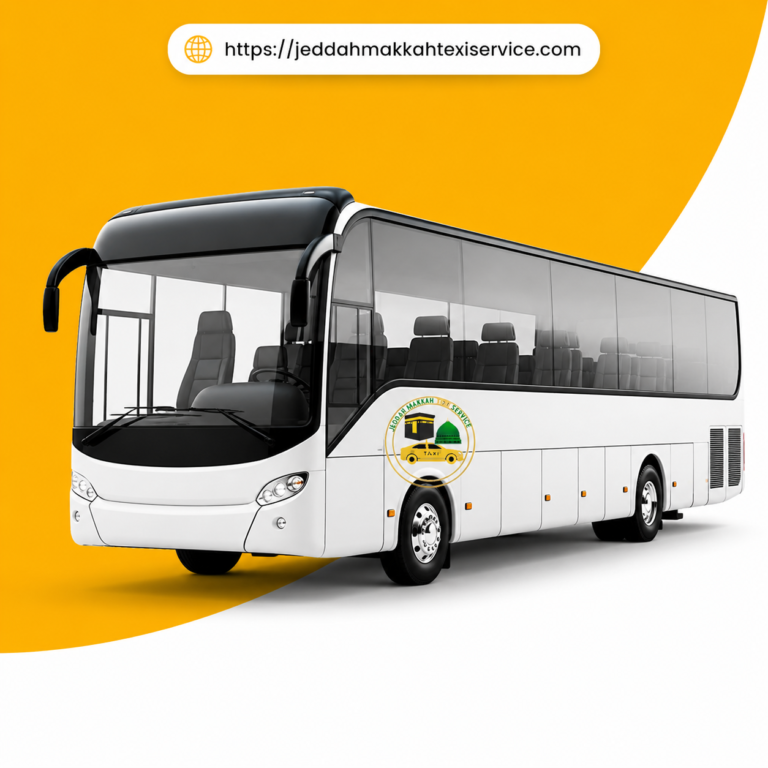
Fixed fares, no surprises
Car for every budget
You’ll pay the price you see, at the end of your ride, with no hidden charges.
| Camry Service |
|---|
| Jeddah Airport to Jeddah Hotel | 190 SAR |
| Jeddah Airport to Makkah Hotel | 240 SAR |
| Jeddah Airport to Madinah Hotel | 540 SAR |
| Jeddah Airport to Taif Hotel | 440 SAR |
| Jeddah Airport to Taif & Return | 680 SAR |
| Jeddah Hotel to Jeddah Airport | 190 SAR |
| Jeddah Hotel to Madinah Hotel | 500 SAR |
| Jeddah Hotel to Makkah Hotel | 220 SAR |
| Jeddah Hotel to Taif & Return | 680 SAR |
| Makkah Hotel to Jeddah Airport | 200 SAR |
| Makkah Hotel to Madinah Hotel | 490 SAR |
| Makkah Hotel to Madinah Hotel by Wadi-e-Jinn | 690 SAR |
| Makkah Hotel to Makkah Train Station | 130 SAR |
| Makkah Hotel to Masjid Ayesha Meeqat (Umrah) | 100 SAR |
| Makkah Hotel to Masjid Jirana Meeqat (Umrah) | 120 SAR |
| Makkah Hotel to Taif & Return | 440 SAR |
| Makkah Train Station to Makkah Hotel | 130 SAR |
| Madinah Airport to Madinah Hotel | 150 SAR |
| Madinah Hotel to Makkah Hotel | 490 SAR |
| Madinah Hotel to Madinah Airport | 120 SAR |
| Madinah Hotel to Madina Train Station | 110 SAR |
| Madinah Hotel to Madinah Ziyarat including Wadi-e-Jinn | 300 SAR |
| Madinah Hotel to Jeddah Airport | 500 SAR |
| Madinah Train Station to Madinah Hotel | 130 SAR |
| Makkah Ziyarat | 200 SAR |
| Madinah Ziyarat | 200 SAR |
| STARIA / H1 Service | Price |
|---|---|
| Jeddah Airport to Jeddah Hotel | 240 SAR |
| Jeddah Airport to Makkah Hotel | 340 SAR |
| Jeddah Airport to Madinah Hotel | 590 SAR |
| Jeddah Airport to Taif Hotel | 680 SAR |
| Jeddah Airport to Taif & Return | 780 SAR |
| Jeddah Hotel to Jeddah Airport | 200 SAR |
| Jeddah Hotel to Madinah Hotel | 550 SAR |
| Jeddah Hotel to Makkah Hotel | 320 SAR |
| Jeddah Hotel to Taif & Return | 780 SAR |
| Makkah Hotel to Jeddah Airport | 300 SAR |
| Makkah Hotel to Madinah Hotel | 590 SAR |
| Makkah Hotel to Madinah Hotel by Wadi-e-Jinn | 790 SAR |
| Makkah Hotel to Makkah Train Station | 150 SAR |
| Makkah Hotel to Masjid Ayesha Meeqat (Umrah) | 150 SAR |
| Makkah Hotel to Masjid Jirana Meeqat (Umrah) | 150 SAR |
| Makkah Hotel to Taif & Return | 590 SAR |
| Makkah Train Station to Makkah Hotel | 150 SAR |
| Madinah Airport to Madinah Hotel | 200 SAR |
| Madinah Hotel to Makkah Hotel | 590 SAR |
| Madinah Hotel to Madinah Airport | 150 SAR |
| Madinah Hotel to Madina Train Station | 150 SAR |
| Madinah Hotel to Madinah Ziyarat including Wadi-e-Jinn | 400 SAR |
| Madinah Hotel to Jeddah Airport | 550 SAR |
| Madinah Train Station to Madinah Hotel | 150 SAR |
| Makkah Ziyarat | 300 SAR |
| Madinah Ziyarat | 250 SAR |
| HIACE TOYOTA Service | Price |
|---|---|
| Jeddah Airport to Jeddah Hotel | 300 SAR |
| Jeddah Airport to Makkah Hotel | 440 SAR |
| Jeddah Airport to Madinah Hotel | 780 SAR |
| Jeddah Airport to Taif Hotel | 780 SAR |
| Jeddah Airport to Taif & Return | 1450 SAR |
| Jeddah Hotel to Jeddah Airport | 300 SAR |
| Jeddah Hotel to Madinah Hotel | 750 SAR |
| Jeddah Hotel to Makkah Hotel | 420 SAR |
| Jeddah Hotel to Taif & Return | 1450 SAR |
| Makkah Hotel to Jeddah Airport | 400 SAR |
| Makkah Hotel to Madinah Hotel | 680 SAR |
| Makkah Hotel to Madinah Hotel by Wadi-e-Jinn | 880 SAR |
| Makkah Hotel to Makkah Train Station | 160 SAR |
| Makkah Hotel to Masjid Ayesha Meeqat (Umrah) | 250 SAR |
| Makkah Hotel to Masjid Jirana Meeqat (Umrah) | 250 SAR |
| Makkah Hotel to Taif & Return | 780 SAR |
| Makkah Train Station to Makkah Hotel | 160 SAR |
| Madinah Airport to Madinah Hotel | 340 SAR |
| Madinah Hotel to Makkah Hotel | 680 SAR |
| Madinah Hotel to Madinah Airport | 300 SAR |
| Madinah Hotel to Madina Train Station | 180 SAR |
| Madinah Hotel to Madinah Ziyarat including Wadi-e-Jinn | 500 SAR |
| Madinah Hotel to Jeddah Airport | 750 SAR |
| Madinah Train Station to Madinah Hotel | 160 SAR |
| Makkah Ziyarat | 400 SAR |
| Madinah Ziyarat | 350 SAR |
| GMC YUKOON XL Service | Price |
|---|---|
| Jeddah Airport to Jeddah Hotel | 400 SAR |
| Jeddah Airport to Makkah Hotel | 500 SAR |
| Jeddah Airport to Madinah Hotel | 980 SAR |
| Jeddah Airport to Taif Hotel | 940 SAR |
| Jeddah Airport to Taif & Return | 1480 SAR |
| Jeddah Hotel to Jeddah Airport | 340 SAR |
| Jeddah Hotel to Madinah Hotel | 950 SAR |
| Jeddah Hotel to Makkah Hotel | 490 SAR |
| Jeddah Hotel to Taif & Return | 1450 SAR |
| Makkah Hotel to Jeddah Airport | 390 SAR |
| Makkah Hotel to Madinah Hotel | 900 SAR |
| Makkah Hotel to Madinah Hotel by Wadi-e-Jinn | 1100 SAR |
| Makkah Hotel to Makkah Train Station | 250 SAR |
| Makkah Hotel to Masjid Ayesha Meeqat (Umrah) | 200 SAR |
| Makkah Hotel to Masjid Jirana Meeqat (Umrah) | 390 SAR |
| Makkah Hotel to Taif & Return | 880 SAR |
| Makkah Train Station to Makkah Hotel | 250 SAR |
| Madinah Airport to Madinah Hotel | 390 SAR |
| Madinah Hotel to Makkah Hotel | 900 SAR |
| Madinah Hotel to Madinah Airport | 390 SAR |
| Madinah Hotel to Madina Train Station | 300 SAR |
| Madinah Hotel to Madinah Ziyarat including Wadi-e-Jinn | 600 SAR |
| Madinah Hotel to Jeddah Airport | 930 SAR |
| Madinah Train Station to Madinah Hotel | 250 SAR |
| Makkah Ziyarat | 500 SAR |
| Madinah Ziyarat | 400 SAR |
| COASTER TOYOTA Service | Price |
|---|---|
| Jeddah Airport to Jeddah Hotel | 490 SAR |
| Jeddah Airport to Makkah Hotel | 780 SAR |
| Jeddah Airport to Madinah Hotel | 1180 SAR |
| Jeddah Airport to Taif Hotel | 1140 SAR |
| Jeddah Airport to Taif & Return | 1750 SAR |
| Jeddah Hotel to Jeddah Airport | 480 SAR |
| Jeddah Hotel to Madinah Hotel | 1080 SAR |
| Jeddah Hotel to Makkah Hotel | 760 SAR |
| Jeddah Hotel to Taif & Return | 1750 SAR |
| Makkah Hotel to Jeddah Airport | 680 SAR |
| Makkah Hotel to Madinah Hotel | 1080 SAR |
| Makkah Hotel to Madinah Hotel by Wadi-e-Jinn | 1280 SAR |
| Makkah Hotel to Makkah Train Station | 290 SAR |
| Makkah Hotel to Masjid Ayesha Meeqat (Umrah) | 400 SAR |
| Makkah Hotel to Masjid Jirana Meeqat (Umrah) | 400 SAR |
| Makkah Hotel to Taif & Return | 1180 SAR |
| Makkah Train Station to Makkah Hotel | 290 SAR |
| Madinah Airport to Madinah Hotel | 490 SAR |
| Madinah Hotel to Makkah Hotel | 1080 SAR |
| Madinah Hotel to Madinah Airport | 490 SAR |
| Madinah Hotel to Madina Train Station | 390 SAR |
| Madinah Hotel to Madinah Ziyarat including Wadi-e-Jinn | 650 SAR |
| Madinah Hotel to Jeddah Airport | 1100 SAR |
| Madinah Train Station to Madinah Hotel | 400 SAR |
| Makkah Ziyarat | 600 SAR |
| Madinah Ziyarat | 550 SAR |
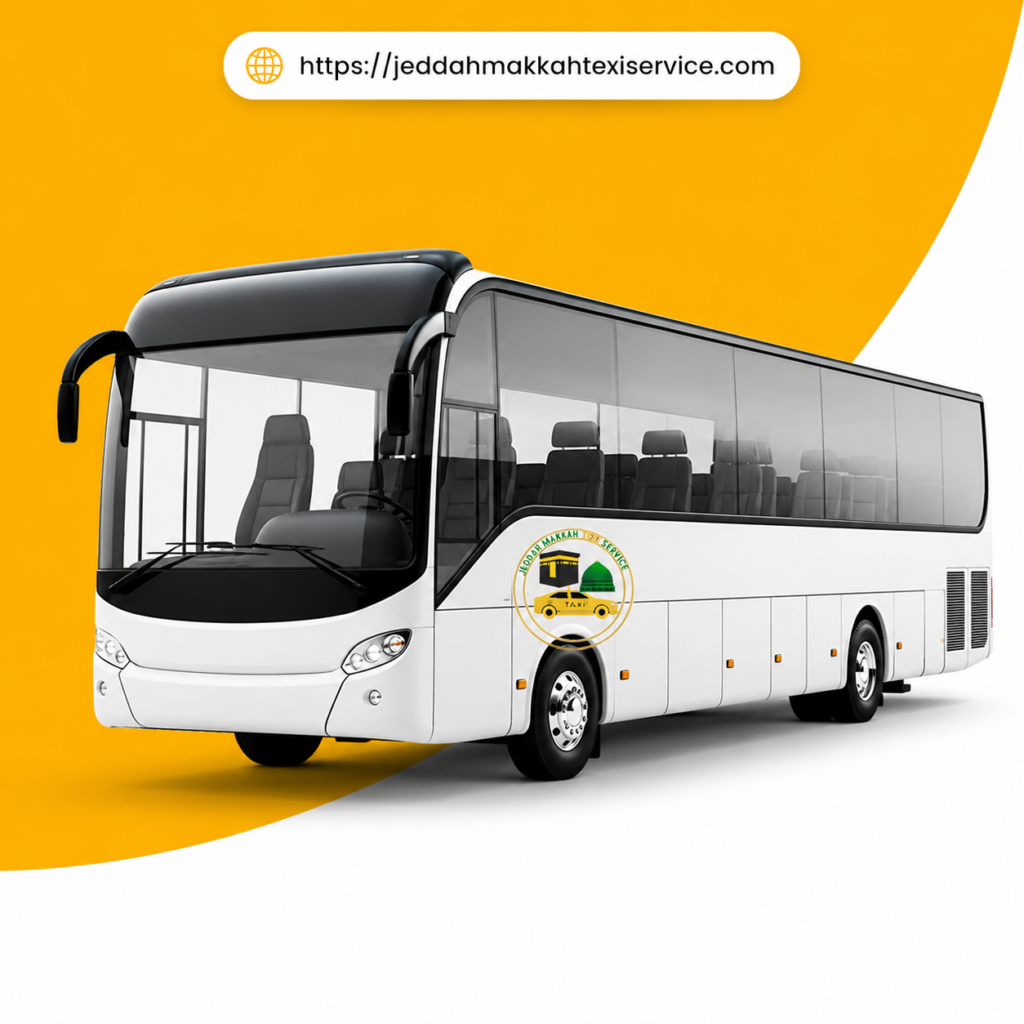
| Bus Service | Price |
|---|---|
| Jeddah Airport to Jeddah Hotel | 400 SAR |
| Jeddah Airport to Makkah Hotel | 500 SAR |
| Jeddah Airport to Madinah Hotel | 980 SAR |
| Jeddah Airport to Taif Hotel | 940 SAR |
| Jeddah Airport to Taif & Return | 1480 SAR |
| Jeddah Hotel to Jeddah Airport | 380 SAR |
| Jeddah Hotel to Madinah Hotel | 950 SAR |
| Jeddah Hotel to Makkah Hotel | 490 SAR |
| Jeddah Hotel to Taif & Return | 1450 SAR |
| Makkah Hotel to Jeddah Airport | 390 SAR |
| Makkah Hotel to Madinah Hotel | 900 SAR |
| Makkah Hotel to Madinah Hotel by Wadi-e-Jinn | 1100 SAR |
| Makkah Hotel to Makkah Train Station | 250 SAR |
| Makkah Hotel to Masjid Ayesha Meeqat (Umrah) | 300 SAR |
| Makkah Hotel to Masjid Jirana Meeqat (Umrah) | 390 SAR |
| Makkah Hotel to Taif & Return | 880 SAR |
| Makkah Train Station to Makkah Hotel | 250 SAR |
| Madinah Airport to Madinah Hotel | 390 SAR |
| Madinah Hotel to Makkah Hotel | 900 SAR |
| Madinah Hotel to Madinah Airport | 390 SAR |
| Madinah Hotel to Madina Train Station | 300 SAR |
| Madinah Hotel to Madinah Ziyarat including Wadi-e-Jinn | 600 SAR |
| Madinah Hotel to Jeddah Airport | 930 SAR |
| Madinah Train Station to Madinah Hotel | 200 SAR |
| Makkah Ziyarat | 500 SAR |
| Madinah Ziyarat | 400 SAR |
Customer reviews

Ziyarahs we offer
Visit the historic sites of the holy cities

Taif Ziyarah
A Mountain City in the Eastern provice of saudia arabia, known for it’s cooler climate and orchards.

Madinah Ziyarah
Visit all madina ziyarah sites in comferts, with the driver who knows the history of each stop.

Makkah Ziyarah
Makkah is the Hejaz region’s capitals, home to sites of deep significance for every pilgrim.
Madinah Ziyarat Taxi: My Half-Day Trip That Turned Into a Full One
I booked a “quick two-hour Ziyarat trip” around Madinah on my second day there, mostly because my hotel roommate said it was worth doing. Two hours turned into almost five, and I still felt like I could’ve spent more time at a couple of the stops. Nobody warned me how much there was to actually see, or how much it would affect me standing at some of these places.
If you’re in Madinah, or planning your trip and wondering whether a Ziyarat taxi is worth arranging, here’s my honest rundown of what I saw, what surprised me, and what I’d do differently next time.
What a Madinah Ziyarat Trip Covers
Unlike Makkah, where the Ziyarat sites are spread out and involve some serious hiking, Madinah’s sites are mostly close together and much easier on the legs. This is basically a private car tour hitting historically significant mosques and locations connected to the Prophet ﷺ and the early Muslim community, all within a fairly compact area around the city.
Most drivers offer this as a half-day package, usually 3 to 4 hours, though mine ran long simply because I kept asking to stay longer at certain stops and my driver was patient enough to let me.
The Places That Actually Stuck With Me
Masjid Quba
This is the first mosque built in Islam, and there’s something genuinely calming about it. It’s a beautiful, spacious mosque, and praying two rakats here is something a lot of scholars describe as carrying the reward of performing an Umrah, though this is a matter of religious detail your local scholar can explain better than I can.
I went early morning, right after Fajr, and it was quiet enough that I could sit for a while afterward just taking it in. If your schedule allows any flexibility, go early. By mid-morning, it gets noticeably busier with tour groups.
Masjid al-Qiblatain
This is the mosque where the qibla direction changed from Jerusalem to Makkah during prayer, based on the Quranic account. What struck me here wasn’t the building itself, which is fairly modern now, but standing in the spot where such a significant shift in Islamic practice actually took place. My driver explained the story in more detail than I expected, which made the stop mean a lot more than a quick photo opportunity.
Uhud Mountain and the Martyrs’ Cemetery
This one hit differently than I expected. Uhud is where the famous battle took place, and the mountain itself has real significance tied to the story of the archers who left their position, a moment often referenced as a lesson about discipline and obedience.
Right at the base, there’s a cemetery where the martyrs of the battle are buried, including Hamza ibn Abdul Muttalib, the Prophet’s ﷺ uncle. It’s simple and unassuming, similar to Jannat al-Baqi in a lot of ways, but the history behind it makes it feel heavier.
I made the mistake of rushing this stop because I was hungry and it was close to lunchtime. In hindsight, I wish I’d told my driver to prioritize more time here and less at some of the smaller stops. If you only have limited hours, this is one I’d put near the top of your list.
The Seven Mosques (Masajid al-Sab’ah)
This is a cluster of small mosques associated with the Battle of the Trench (Khandaq), where the Prophet ﷺ and his companions dug a defensive trench around Madinah. Most of these mosques are quite small, some barely more than a single room, and you don’t need much time at each one individually, but seeing them together gives a real sense of the layout of that historic battle.
Jannat al-Baqi
This is the main cemetery in Madinah, right next to Masjid an-Nabawi, where a huge number of the Prophet’s ﷺ family members and companions are buried. It’s simple, quiet, and — like Jannat al-Mu’alla in Makkah — surprisingly understated for how much history is contained there.
One thing worth knowing: access to Baqi is limited to certain hours and sometimes restricted based on gender or specific days, so check current visiting hours before planning your visit rather than assuming it’s open whenever you show up. My first attempt to visit was outside the open hours, and I had to come back the next day.
Date Farms and Local Markets
Not religious sites, but most Ziyarat packages include a stop at a date farm or local market near the end of the trip. Honestly, after a morning of heavier, more reflective stops, this was a nice change of pace. I picked up Ajwa dates and some local honey, and it gave the trip a lighter, more relaxed ending.
How I Booked Mine
Same approach as my other trips — WhatsApp booking with a local transport provider, fixed price agreed beforehand for a private car covering the main sites. I told the driver upfront which stops mattered most to me (Quba and Uhud specifically), and he adjusted the pacing accordingly, spending less time at some of the smaller mosques so we had more time where it counted.
A few things I’d suggest if you’re booking your own:
- Tell your driver your priorities before starting, not halfway through. This changes how they pace the whole trip.
- Ask about Baqi’s current visiting hours before finalizing your route, since access changes and isn’t guaranteed at every time of day.
- Confirm if the date farm or market stop is included or optional, since not everyone wants to spend time shopping when they’d rather stay longer at a historical site.
Step-by-Step: Planning Your Own Trip
- Decide your must-see stops in advance. For me, that was Quba and Uhud. Yours might be different.
- Book a day ahead if possible, especially during busy Umrah periods when demand for these tours picks up.
- Go early if you can, particularly for Quba, to avoid the mid-morning crowds.
- Check Baqi’s visiting hours before you go, so you’re not showing up when it’s closed.
- Wear comfortable shoes. While this isn’t as demanding as the Makkah hikes, you’ll still be walking a fair bit at each stop.
- Bring a light jacket if you’re visiting in cooler months. Madinah can get surprisingly chilly, especially in the early morning.
- Set aside a little cash for the date farm or market stop, since this is usually towards the end of the trip and a nice way to bring something tangible home.
Mistakes to Avoid
Rushing the Uhud stop. This is one of the most significant sites on the whole trip, and it deserves more time than a quick fifteen-minute stop.
Not checking Baqi’s hours in advance. I learned this one the hard way. Confirm before you build your schedule around it.
Assuming every driver’s “standard route” matches your priorities. Speak up early and tell your driver what matters most to you.
Booking too short a window. If your driver quotes two hours and you’re genuinely interested in the history, you’ll likely want longer. Build in extra time if your schedule allows.
Skipping the reflection time. It’s tempting to treat this like a checklist, moving fast between stops to “see everything.” Slowing down at even two or three key sites usually leaves a stronger impression than rushing through all of them.
Final Thoughts
This trip ended up being one of the quieter, more reflective parts of my whole Madinah stay, and honestly, it changed how I understood some of the stories I’d grown up hearing in a fairly abstract way. Standing at Uhud, or sitting outside Masjid Quba early in the morning, made history feel a lot less like history and more like something real that happened in a place I could physically stand in.
If you’ve got even half a day free in Madinah, don’t skip this. Go in with a clear idea of what matters most to you, ask your driver questions along the way, and don’t rush the stops that actually move you. You’ll likely find, like I did, that two hours turns into something much longer once you’re actually there.
Jeddah Makkah Taxi Services
Reliable Private Umrah Taxi Service Across Saudi Arabia
Travel with confidence using our trusted private taxi service for Hajj and Umrah pilgrims throughout Saudi Arabia. We offer professional drivers, fully licensed and verified vehicles, transparent fixed fares, and comfortable rides between Makkah, Madinah, Jeddah, Taif, and other major cities. With years of experience serving pilgrims from around the world, we ensure a safe, punctual, and hassle-free journey. No advance payment required.book now and pay after your ride.